WELCOME TO CLAROO.

2026 World Cup: Robbed in Broad Daylight, the Grenadiers and Haiti Cry Foul Against Scotland
Analysis of the Haitian national football team's defeat, focusing on refereeing errors and public reaction
PROFOOT
Germain Clarens
6/15/2026
2026 World Cup: Robbed in Broad Daylight, the Grenadiers and Haiti Cry Foul Against Scotland
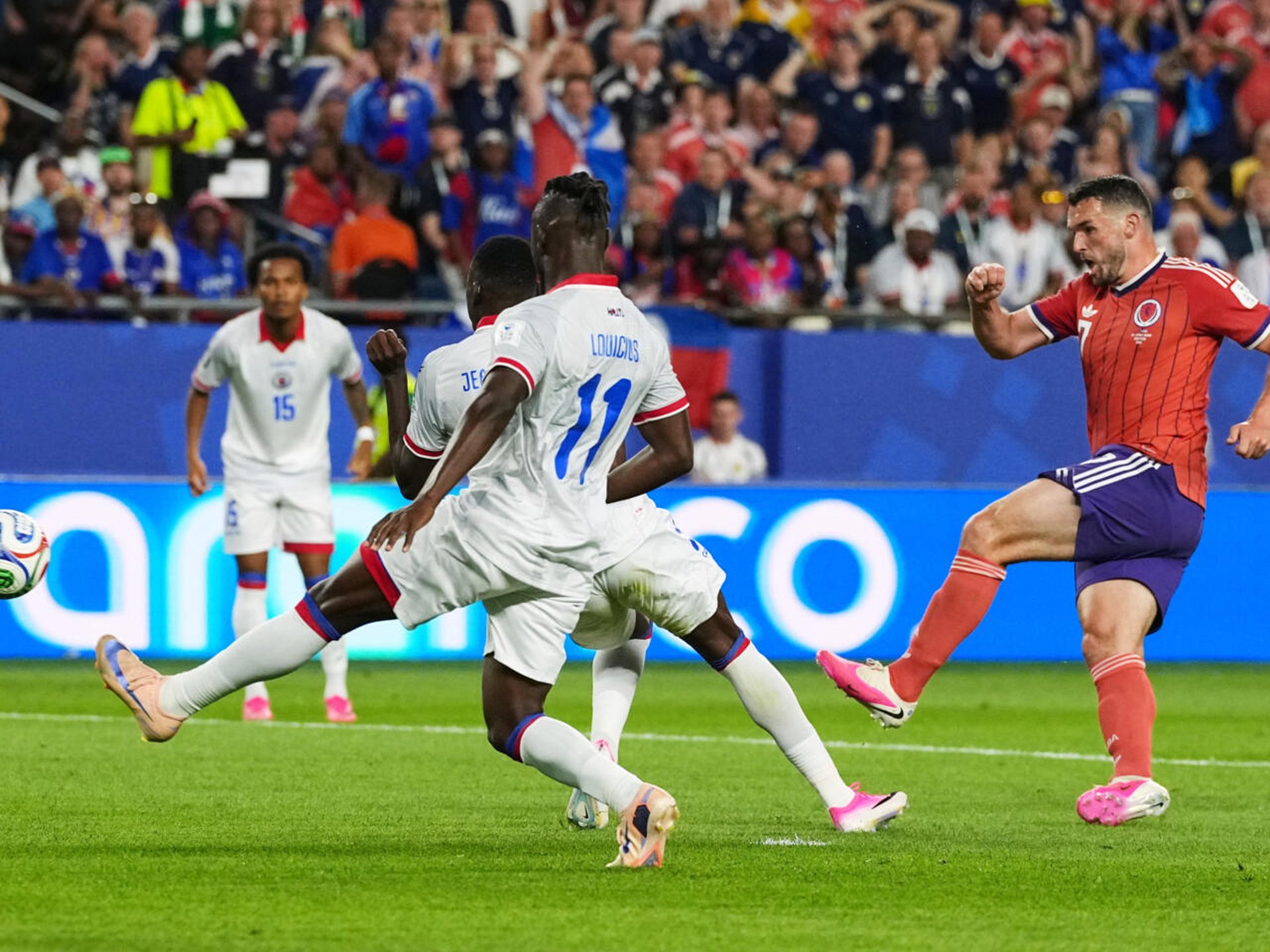
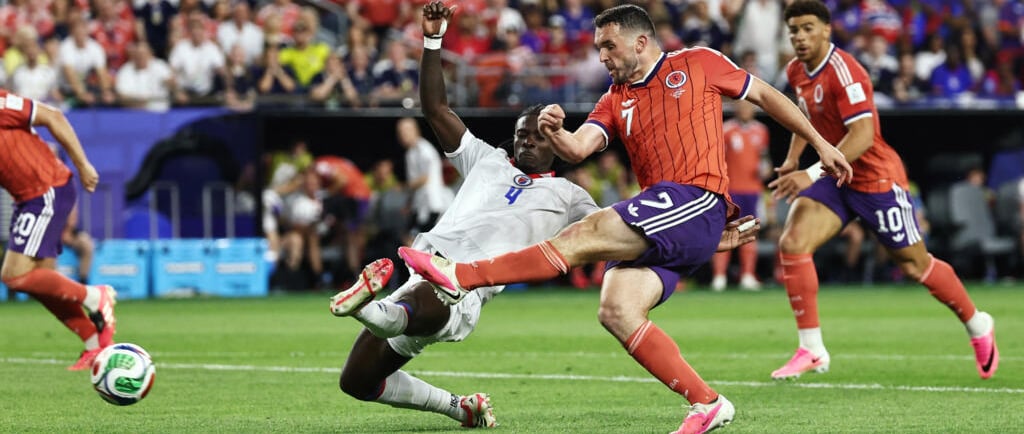
Fifty-two years after their last appearance on the world football's biggest stage, Haiti’s grand return was supposed to be a historic celebration. Instead, the encounter against Scotland turned into an immense sense of injustice. Beaten by the narrowest of margins (1-0) at the Ergilio Hato Stadium, the Grenadiers didn't just lose a match; they were deprived of a result that was well within their grasp by a refereeing crew and a Video Assistant Referee (VAR) system that showed a revolting lack of action.
A Cruel Defeat Despite a Heroic Performance
Despite Scotland opening the scoring through John McGinn in the 28th minute, the Haitian selection was never intimidated. Driven by an unshakeable national fervor, Sébastien Migné’s men took control of the second half, physically and technically rattling a panicked Scottish side. But just as the Grenadiers' dominance intensified, the officiating crew, led by Algerian referee Mustapha Ghorbal, stepped into the spotlight, completely breaking Haiti's momentum with incomprehensible decisions.
The Scandal of Forgotton Penalties and the Ghost VAR
Two major actions encapsulate the deep anger of the Haitian delegation and neutral observers across the globe:
Grant Hanley's Blatant Handball (73rd minute): Following a powerful strike by Jean-Ricner Bellegarde from the edge of the box, Scottish defender Grant Hanley noticeably deflected the ball's trajectory with his hand. It was an indisputable penalty, visible to the naked eye. Yet, the referee waved play on and, to everyone's flabbergasted surprise, the VAR didn't even bother to call the official over to review the pitchside monitor.
The Assault on Josué Casimir in Stoppage Time: As Casimir attempted to break into the box, Kenny McLean violently stopped him, wiping his studs across the Haitian player's sole. Not only was the penalty denied once again, but this dangerous tackle should have resulted in a direct red card for the Scotsman.
According to initial analyst explanations, FIFA had supposedly imposed a "high tolerance threshold" for the start of this World Cup to favor the fluidity of the game. This directive was applied to the detriment of the most basic rules of the sport, penalizing the team assumed to be the "underdog."
An Outraged Nation: Supporters and Public Opinion Cry Foul
Right from the final whistle, frustration gave way to an immense wave of indignation. On social media, hashtags linking VAR to a blatant robbery instantly dominated trends in Haiti and across the diaspora.
"Haiti was robbed in broad daylight. What is the point of technology if a handball as big as a truck isn't called? We were clearly intimidated!" protested a supporter to international media after the match.
From Port-au-Prince to Haitian communities in Miami, Montreal, and Paris, public opinion is decrying a double-standard in refereeing. Supporters share a feeling of victimisation and injustice in the face of such a blatant lack of respect for the sacrifices of an entire nation that views football as a beacon of hope and pride.
Even national team coach Sébastien Migné, usually very measured, could not hide his immense frustration during the post-match press conference, publicly demanding answers from FIFA officials regarding such technological silence.
Heads High for the Future
While the anger is legitimate and the wound runs deep, the Haitian team sent a strong message to the entire world. The Grenadiers proved they have the technical quality and the heart to compete with European nations. The defeat shows on the scoreboard, but when it comes to respect, Haiti won the esteem of the football world. Now, they must transform this rage into positive energy for the upcoming group stage matches. The World Cup is still long, and the Haitian people will stand, more than ever, right behind their soldiers
Fifty-two years after their last appearance on the world football's biggest stage, Haiti’s grand return was supposed to be a historic celebration. Instead, the encounter against Scotland turned into an immense sense of injustice. Beaten by the narrowest of margins (1-0) at the Ergilio Hato Stadium, the Grenadiers didn't just lose a match; they were deprived of a result that was well within their grasp by a refereeing crew and a Video Assistant Referee (VAR) system that showed a revolting lack of action.
A Cruel Defeat Despite a Heroic Performance
Despite Scotland opening the scoring through John McGinn in the 28th minute, the Haitian selection was never intimidated. Driven by an unshakeable national fervor, Sébastien Migné’s men took control of the second half, physically and technically rattling a panicked Scottish side. But just as the Grenadiers' dominance intensified, the officiating crew, led by Algerian referee Mustapha Ghorbal, stepped into the spotlight, completely breaking Haiti's momentum with incomprehensible decisions.
The Scandal of Forgotton Penalties and the Ghost VAR
Two major actions encapsulate the deep anger of the Haitian delegation and neutral observers across the globe:
Grant Hanley's Blatant Handball (73rd minute): Following a powerful strike by Jean-Ricner Bellegarde from the edge of the box, Scottish defender Grant Hanley noticeably deflected the ball's trajectory with his hand. It was an indisputable penalty, visible to the naked eye. Yet, the referee waved play on and, to everyone's flabbergasted surprise, the VAR didn't even bother to call the official over to review the pitchside monitor.
The Assault on Josué Casimir in Stoppage Time: As Casimir attempted to break into the box, Kenny McLean violently stopped him, wiping his studs across the Haitian player's sole. Not only was the penalty denied once again, but this dangerous tackle should have resulted in a direct red card for the Scotsman.
According to initial analyst explanations, FIFA had supposedly imposed a "high tolerance threshold" for the start of this World Cup to favor the fluidity of the game. This directive was applied to the detriment of the most basic rules of the sport, penalizing the team assumed to be the "underdog."
An Outraged Nation: Supporters and Public Opinion Cry Foul
Right from the final whistle, frustration gave way to an immense wave of indignation. On social media, hashtags linking VAR to a blatant robbery instantly dominated trends in Haiti and across the diaspora.
"Haiti was robbed in broad daylight. What is the point of technology if a handball as big as a truck isn't called? We were clearly intimidated!" protested a supporter to international media after the match.
From Port-au-Prince to Haitian communities in Miami, Montreal, and Paris, public opinion is decrying a double-standard in refereeing. Supporters share a feeling of victimisation and injustice in the face of such a blatant lack of respect for the sacrifices of an entire nation that views football as a beacon of hope and pride.
Even national team coach Sébastien Migné, usually very measured, could not hide his immense frustration during the post-match press conference, publicly demanding answers from FIFA officials regarding such technological silence.
Heads High for the Future
While the anger is legitimate and the wound runs deep, the Haitian team sent a strong message to the entire world. The Grenadiers proved they have the technical quality and the heart to compete with European nations. The defeat shows on the scoreboard, but when it comes to respect, Haiti won the esteem of the football world. Now, they must transform this rage into positive energy for the upcoming group stage matches. The World Cup is still long, and the Haitian people will stand, more than ever, right behind their soldiers

We create unforgettable memories for you.